
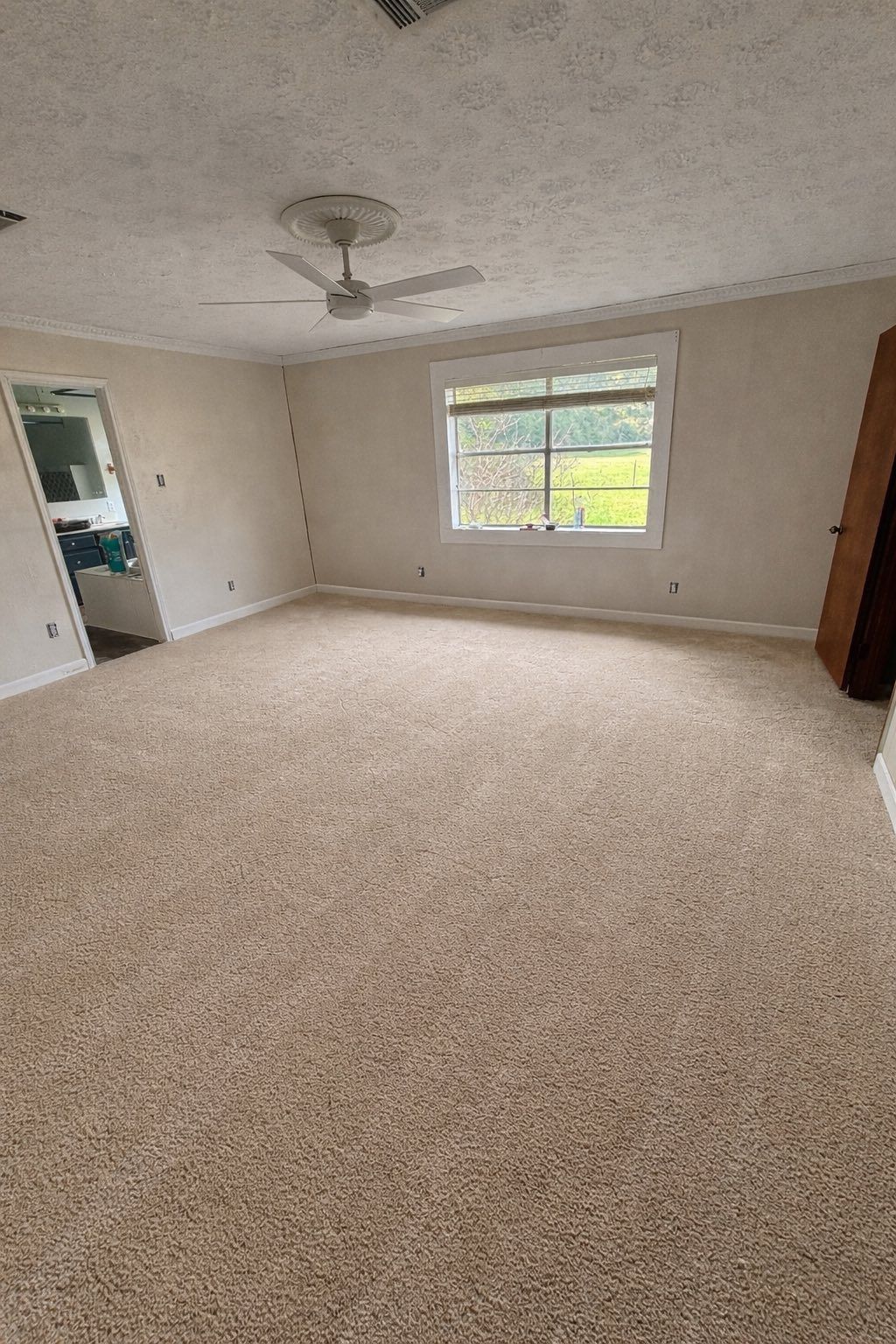
Insulation and Comfort Through Textile Flooring
Carpet in Willis for bedrooms, living rooms, and stairs where hard surfaces feel cold and amplify noise
Plush, Berber, and patterned carpet options create softness underfoot while absorbing sound that hard surfaces reflect, reducing the acoustic harshness common in homes with extensive tile or hardwood. Willis Flooring Pros installs carpet throughout Willis using stretch-in methods over quality padding, with selections ranging from cut-pile styles that provide luxurious texture to loop constructions that resist crushing in hallways and stairs. You're choosing fiber types—nylon for durability, polyester for stain resistance, wool for natural performance—based on room function and expected wear patterns.
Padding thickness and density affect both comfort and carpet longevity, with denser pads preventing premature crushing while providing the cushioned feel that makes carpet preferable to hard surfaces in private spaces. Installation involves power-stretching to eliminate wrinkles and ensure the carpet remains taut over years of use, preventing the ripples and loose areas that create trip hazards and accelerate wear.
Arrange a consultation to review fiber options and padding specifications that match your household traffic and maintenance preferences.
What You Notice Once Carpet Installation Is Finished
Professional measuring accounts for room irregularities and ensures seams fall in low-visibility locations—typically perpendicular to windows and away from main traffic paths—while transitions to hard surfaces use metal or vinyl strips that secure edges and create clean boundaries between flooring types. You'll notice immediate sound dampening, with footsteps, voices, and dropped objects producing less noise than they did on hard surfaces.
The carpet pile stands upright and uniform immediately after installation, though traffic patterns will create visible wear paths over time that require periodic professional cleaning to restore appearance. Proper padding underneath prevents the bottoming-out sensation that occurs when insufficient cushioning allows the carpet backing to contact the subfloor directly under heavy furniture or repeated footsteps.
Carpet's thermal insulation properties reduce heat loss through floors in winter while providing a warmer surface temperature than tile or hardwood, creating comfort differences most noticeable when walking barefoot. Stain-resistant treatments applied during manufacturing help repel spills, though prompt blotting remains necessary to prevent permanent discoloration from substances that break down fiber dyes.
Answers to Frequent Carpet Questions
Selecting carpet involves understanding how construction details and fiber characteristics affect both initial cost and long-term maintenance requirements.
What carpet fiber types perform best in high-traffic areas like hallways and stairs?
Nylon provides the best combination of durability and resilience, bouncing back after compression better than polyester or olefin, making it the preferred choice for areas that see constant foot traffic and require resistance to matting and wear patterns.
How does padding density affect carpet lifespan and comfort underfoot?
Denser padding—measured in pounds per cubic foot—prevents carpet backing from flexing excessively, reducing fiber stress and extending life, while also providing firmer support that some homeowners prefer over the softer feel of lighter, thicker pads.
Why do seams sometimes become visible after carpet installation in Willis?
Improper seaming technique, inadequate seam sealer application, or humidity-induced backing shrinkage can cause separation, though properly installed seams using heat-activated tape and professional seaming irons should remain invisible under normal conditions throughout the carpet's service life.
What maintenance practices extend carpet appearance between professional cleanings?
Regular vacuuming removes abrasive soil particles that cut fibers and dull appearance, while immediate blotting of spills prevents staining, and using walk-off mats at entries reduces the dirt load tracked onto carpeted areas from outside.
How does Berber carpet construction differ from cut-pile styles in maintenance requirements?
Berber's looped construction resists crushing and hides soil better than cut-pile in busy areas, though snagged loops from pet claws can pull and run if not trimmed immediately, whereas cut-pile shows vacuum marks and footprints more readily but doesn't snag.
Willis Flooring Pros handles carpet installations with attention to seam placement and padding selection that affect both immediate comfort and long-term performance. Contact us to explore plush, Berber, and patterned options that add warmth and noise control to spaces throughout your Willis home.